


Introduction Every child experiences worries, from the fleeting concern about a lost toy to the deeper fear of starting a new school year. But for some children, these “big worries” can feel overwhelming, manifesting as tummy aches, difficulty sleeping, or even tantrums. As parents and caregivers, it can be challenging to know how to respond when anxiety takes hold. This post will help you understand common signs of anxiety in children and provide practical strategies to help them navigate these intense feelings. What Does Childhood Anxiety Look Like? Anxiety in children doesn’t always look like adult anxiety. It can be subtle and often misunderstood. Here are some common signs to look out for: Practical Strategies to Help Your Child Cope When your child is caught in the grip of anxiety, your calm and understanding response is their anchor. 1. Acknowledge and Validate Their Feelings (Don’t Dismiss!) It’s tempting to say,
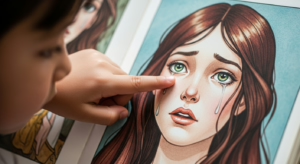
Introduction Children’s worlds are often filled with big emotions they don’t yet have the words to express. This is where therapeutic storybooks, like those found at Child Therapy Toolbox, become invaluable. These aren’t just any stories; they are carefully crafted narratives that use metaphors and relatable characters to help children navigate difficult topics, from anxiety to grief and building healthy boundaries. But simply reading a story isn’t always enough. The real magic happens when you engage with the book in creative, interactive ways. Here are five simple yet powerful methods to help a child connect with the story and, in turn, with their own feelings. 1. “Character Interview” Role-Playing After reading the story, turn the tables and become a journalist interviewing the main character. Ask the child questions like: This activity allows children to externalize their own feelings by talking about the character’s experience. It creates a safe distance for